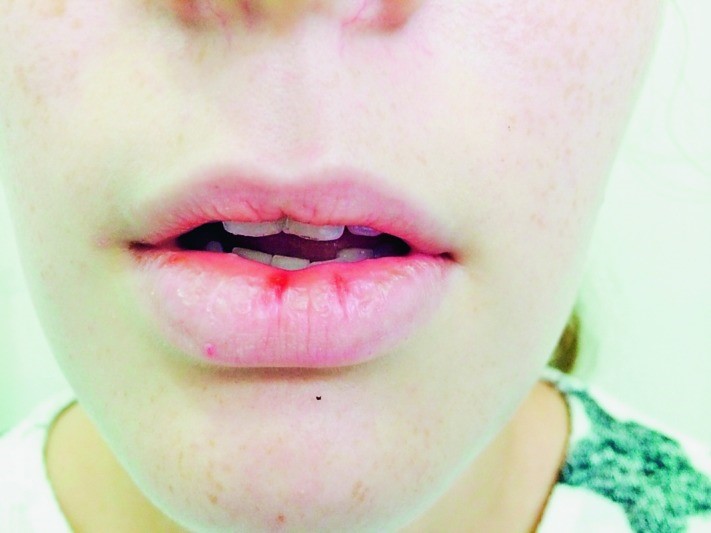
Как меня однажды предал ананас (психология и психосоматика аллергий).
Как меня однажды предал ананас.
Психология и психосоматика аллергий
Один из моих любимых фруктов, в содружестве с манго и папайей вызвал аллергию. Началось с манго, когда сок потек по шее, оставляя за собой мгновенно трескавшуюся кожу. Это выглядело как почва в пустыне. Никогда не испытывала такой быстрой реакции. Хотя предтеча к этому событию точно было.
Я аллергик с детства. Но сенную лихорадку, которая появилась в 6 лет, я переросла к 13ти, почти полностью. Успокоились чихания и конъюнктивит, но появилась розацея. Медицина многократно показала свое бессилие, и даже спасовала перед знахарем из Львовской области.
Причин никто не мог найти.
В конце 80х появилась книжка «Чудо голодания» первое из которых я провела самостоятельно. Это принесло немыслимое для меня чудо: аллергия, розацея успокоились, и лишний вес ушел. Я цвела и пахла. Вышла замуж, уехала в Америку.
Не смотря на трудности иммиграции, и появившегося младенца, со здоровьем все было спокойно до появления мамы. Вернее, до нашего сближения в общей квартире во время поездки на природу. С мамой мы сталкивались всегда. Розацея воспылала на моем лице с особым пристрастием.
Но намеков на то, что все это как –то связано с родителями, я не понимала. Винила себя, обижалась на фрукты, в которые верила. К тому времени уже обучилась и гипнозу и здоровому питанию. Знаете, был червячок, который подтачивал мою веру в то, что не только фрукты, не только голодание, да и не для каждого годна моя система. Я продолжала учиться дальше.
И, вот ананас. Свет очей моих, радость моих завтраков, гордость моего богатырского здоровья, бросил меня в самый трудный момент. Я потеряла работу. На руках уже пару месяцев бушевала агрессивная чесучая экзема. Тоже новость в моем репертуаре здоровья. Из здоровой и бодрой, без всяких хронических болезней, я превратилась в обессилившее существо, пугающееся любого нового незнакомого симптома.
Я- ЗОЖник, пошла сдаваться в скорую помощь. Немного преувеличиваю: я не доверяла врачам совсем. В скорой помощи, все же я попыталась поговорить про историю этой болезни. Опускаю детали: врачи доказали, что мало интересуются анамензом, а больше- симптомами с таблетками.
Гормональные таблетки, как и ожидалось, временно сняли ужасный зуд, и позволили мне немного отдохнуть и отоспаться.
И вот, предательство ананаса.
В психологии есть такое понятие «перенос», – проецирование одного человека или предмета, реакции психики на другого или другое. Ну не может сам по себе ананас мстить человеку. За этим понятием стоит ощущение, воспоминание других межличностных обид и предательств, которые бывают в жизни. Беда в том, что негативные эмоции усугубляют боль, раздражение, делают болезнь неизлечимой. И, наоборот: благодарность, радость, надежда, которые можно почувствовать внутри себя, способствуют излечиванию. Короче, вы поняли: ананас указал на то, что я слишком близко к сердцу воспринимаю происходящее, что не помогает разобраться с ситуацией, а только ее ухудшает.
Статьи, которые я пишу, всегда являются исследованиями. Они сродни журналу: написал и осознал. Не лишнее. Поэтому много позже, когда я придумывала текст про Ананаса-Предателя, появились ответы на неумело заданные вопросы из прошлого.
Предательство произрастает из ложных ожиданий: если я ЗОЖник, то я молодец, и мое здоровье в безопасности. Я сама себя предала, не правда ли. Ну, просто потому, что никто не знает свою судьбу. Можно есть ананас, и попасть под падающую сосульку. Правда?!
Вселенная, как бы готовит тебя к любым неожиданностям, которые лучше принимать с любопытством и любовью. Не лучше ли бы было вместо предательства или обиды, уметь задавать вопросы: почему и зачем так случилось?
Теоретически многие это знают. А вот, практически разобраться в анамнезе болезни, и снять симптомы холистическим, или, скорее комплексным подходом, бывает трудно. Но это жизненно необходимо.
Поэтому, если и вы «пали жертвой предательства Ананаса», позвоните 1.714.713.3368. Снимая эмоциональные боли вы поймете как изменить поведение так, чтобы не страдать физически от аллергий и других болезней, утяжеленных психической составляющей.
369 Views0
DIFFERENTIAL DIAGNOSIS OF CHEILITIS – HOW TO CLASSIFY CHEILITIS?

DIFFERENTIAL DIAGNOSIS OF CHEILITIS – HOW TO CLASSIFY CHEILITIS?

Acta Clin Croat. 2018 Jun; 57(2): 342–351.

doi: 10.20471/acc.2018.57.02.16

PMCID: PMC6531998

PMID: 30431729

Liborija Lugović-Mihić,1,2 Kristina Pilipović,2 Iva Crnarić,1 Mirna Šitum,1,2 and Tomislav Duvančić1

Author information Article notes Copyright and License information Disclaimer

Go to:

Abstract

SUMMARY – Although cheilitis as a term describing lip inflammation has been identified and recognized for a long time, until now there have been no clear recommendations for its work-up and classification. The disease may appear as an isolated condition or as part of certain systemic diseases/conditions (such as anemia due to vitamin B12 or iron deficiency) or local infections (e.g., herpes and oral candidiasis). Cheilitis can also be a symptom of a contact reaction to an irritant or allergen, or may be provoked by sun exposure (actinic cheilitis) or drug intake, especially retinoids. Generally, the forms most commonly reported in the literature are angular, contact (allergic and irritant), actinic, glandular, granulomatous, exfoliative and plasma cell cheilitis. However, variable nomenclature is used and subtypes are grouped and named differently. According to our experience and clinical practice, we suggest classification based on primary differences in the duration and etiology of individual groups of cheilitis, as follows: 1) mainly reversible (simplex, angular/infective, contact/eczematous, exfoliative, drug-related); 2) mainly irreversible (actinic, granulomatous, glandular, plasma cell); and 3) cheilitis connected to dermatoses and systemic diseases (lupus, lichen planus, pemphigus/pemphigoid group, angioedema, xerostomia, etc.).

Key words: Cheilitis, Inflammation, Lip Diseases, Actinic Cheilitis, Classification, Dermatitis, Contact

Go to:

Introduction

The term cheilitis indicates inflammation of the lip and includes many types, i.e. angular, contact, exfoliative, actinic, glandular, granulomatous, plasma cell cheilitis, simplex, etc. (15). In practice, it is difficult to define readily the precise type of cheilitis, thus proper diagnostic procedures are necessary to determine the exact disease based on its characteristics (5). For example, angular cheilitis can occur spontaneously or may be related to several precipitating factors (e.g., systemic immune suppression, local irritation and moisture, fungal/bacterial infection). Contact cheilitis can be related to the effects of irritants (climatic, mechanical, caustic agents) or allergens (allergic contact cheilitis) (5). Some types of cheilitis last longer and are persistent, such as chronic actinic cheilitis, granulomatous cheilitis and plasma cell cheilitis. Furthermore, cheilitis can also be seen in various skin or systemic diseases such as lupus erythematosus, lichen planus, atopic dermatitis, etc.

Cheilitis may also be associated with numerous conditions or diseases, e.g., nutritional deficiencies, such as megaloblastic anemia due to vitamin B12 deficiency, anemia due to iron deficiency, oral candidiasis, diabetes (248).

Additionally, cheilitis is often divided into particular subtypes with no clear classification having yet been adopted. Considering its duration, some authors refer to acute or chronic cheilitis, whereby there are no clear criteria (2). Although there are many recent papers on cheilitis, they are mostly case reports and overviews of therapeutic or diagnostic procedures based on personal experiences and results without specific criteria for classification. Since clear classification has not yet been established, there are no definitive recommendations for diagnosing all different types of cheilitis. Apart from that, cheilitis is also a disease that requires a multidisciplinary approach, which additionally complicates adoption of a classification system. We would like to put forth a classification of cheilitis into three main groups with further particular subtypes (Table 1).

Table 1

Proposed classification of cheilitis

    Mostly reversible     Mostly persistent     In association with dermatoses and systemic diseases (common diseases)
    Cheilitis simplex
Angular/infective cheilitis Contact/eczematous cheilitis
Exfoliative cheilitis
Drug related cheilitis
    Actinic cheilitis
Granulomatous cheilitis
Glandular cheilitis
Plasma cell cheilitis
    Lupus erythematosus
Lichen planus
Angioedema
Pemphigoid/pemphigus
Xerostomia
Erythema multiforme
Crohn’s disease
Sarcoidosis, etc.

Open in a separate window

Go to:

Reversible Cheilitis

We specify reversible cheilitis (transitory cheilitis of temporary duration) as a distinct category, which includes several subtypes (Table 2).

Table 2

Prominent features of mostly reversible cheilitis

    Mostly reversible cheilitis     Occurrence     Related factors     Therapy
    Cheilitis simplex     Common     Lip licking
Cold, windy, dry weather
    Advice on environmental conditions
Application of lip balms, petroleum jelly, emollients, topical corticosteroids, ointments
    Angular/infective cheilitis     Common     Infective agents
Immune deficiency (diabetes, HIV)
Mechanical factors
Nutritional deficiencies (riboflavin, folate, iron, etc)
    Elimination of local predisposing factors
Topical antimycotics, antiseptics, antibiotics, topical corticosteroids
    Contact/eczematous cheilitis     Very common     Atopy, contact allergens/irritants     Topical corticosteroids (low to medium potency), emollients
    Exfoliative cheilitis     Rare     Lip licking/picking
Psychological distress
Nutritional deficiencies
    Corticosteroids
Psychotherapy
(some cases resolve spontaneously)
    Drug related cheilitis     Rare     Drugs     Emollients
Drug elimination if possible

Open in a separate window

Cheilitis simplex (chapped lips, common cheilitis, cheilitis sicca) is one of the most common subtypes, presenting as cracked lips, fissures or desquamation of the lips, usually of the lower lip (Fig. 1) (27). Here frequent lip licking promotes dryness and irritation, ending in separation of the mucosa and cracking. Some authors use a different label for a similarly categorized subtype, lip licking cheilitis, due to lip licking habit or frequent lip retraction into the oral cavity (especially in children with atopic dermatitis) (67). Such licking removes the thin, oily surface film that protects the lips from moisture loss, leading to lip cracking. Lip lesions are also influenced by saliva, the digestive enzymes of which can irritate the lips by extracting moisture and causing evaporation. Some children have the habit of sucking and biting the lower lip, whereby a sharply bordered perioral erythema may occur.


Fig. 1

Cheilitis simplex.

Differential diagnosis includes contact cheilitis, atopic cheilitis, actinic cheilitis, etc. (24). Therapy mostly involves advice on dealing with environmental conditions and the application of lip balms, petroleum jelly, emollients and sometimes topical corticosteroids, mostly low potency ointments.

Angular cheilitis (also termed perleche, cheilosis, or angular stomatitis or angulus infectiosus) typically manifests at the corners of the mouth/lips. The disease is most common in patients with deep wrinkles in lip angles and those who are prone to licking lip corners (8). Generally, the disease starts during vitamin and mineral deficiencies (B vitamins, iron, zinc, etc.), or is caused by other conditions and diseases (e.g., poorly fitting dentures and drooling, celiac disease) (469). An important factor is also saliva production, i.e. increased secretion and drooling, which contributes to the disease. Conversely, during decreased saliva secretion (hyposalivation), dryness promotes cracking and desquamation, as well as the invasion of Candida albicans with the emergence of angular cheilitis inflammation.

Angular cheilitis occurs more commonly in diabetics, in patients with some psychiatric disorders (e.g., lip trauma in bulimics or in anorexia nervosa), during certain drug therapy (e.g., isotretinoin), and somewhat less frequently in primary hypervitaminosis A. It is more common during winter when additional lip licking worsens the condition, and in elderly persons (25). It can occur in patients with inflammatory bowel diseases such as Crohn’s disease and ulcerative colitis (10).

This subtype sometimes develops as part of a group of symptoms, which can include atrophic glossitis, esophageal webs or strictures, and microcytic hypochromic anemia (Plummer-Vinson syndrome) (11). Concurrence of bacterial or candidal infection (primary or secondary) is common (2). Children, especially those with atopic dermatitis, are most commonly affected by secondary bacterial infections (staphylococcal and beta-hemolytic streptococcal) on damaged lip corners. Angular cheilitis with secondary infections often occurs also in patients with macroglossia (congenital hypothyroidism and Down syndrome).

Differential diagnosis for this type of cheilitis includes recurrent herpes labialis (if lesions are unilateral) and secondary syphilis (fissured papules at the corners of the lips similar to cheilitis) (29). Therapy includes elimination of predisposing factors and often topical antimycotics, antiseptics, antibiotics, and sometimes corticosteroids.

Contact/eczematous cheilitis is an inflammatory lip reaction caused by the irritating or allergic effects of various substances found in many products such as lipsticks, oral hygiene products (toothpastes), food (e.g., eggs and crustaceans), ointment bases, fragrances, preservatives, antioxidants, dyes, dental materials, musical or occupational instruments, objects put in the mouth daily (e.g., nails, needles, pens), etc. (712). It manifests as dryness, scaling, erythema or fissuring, more commonly on the skin than on mucosa (Fig. 2) (21314). This type of cheilitis usually presents in patients with atopic dermatitis (15). Some authors use the term cheilitis venenata, which specifically indicates contact reaction, most commonly of an allergic type.


Fig. 2

Contact/eczematous cheilitis.

There is a broad spectrum of products with common irritants and allergens associated with this subtype. Contact reactions to lipsticks, rubber, leather objects, nail polish substances (e.g., formaldehyde), metals (nickel, cobalt, gold) and topical antibiotics have been shown to be some of the more frequent etiologic factors (712). Reactions to compounds in topical medications and medical products, such as topical antibiotics, virostatic agents, disinfectants, local anesthetics, and sunscreens are also possible. Factitial cheilitis stands out as a distinct subtype of contact cheilitis, usually triggered by a stressful event (possible self-damaging behavior).

416 Views0
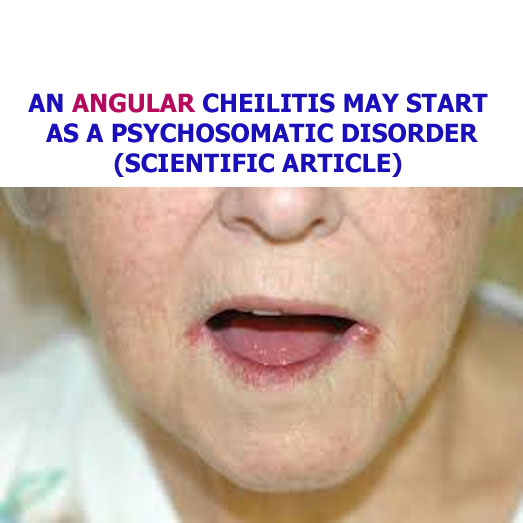
Scientific investigation of factitious cheilitis psychosomatic ethiology

Scientific investigation of factitious cheilitis psychosomatic ethiology

J Med Case Reports. 2008; 2: 29.

Published online 2008 Jan 29. doi: 10.1186/1752-1947-2-29

PMCID: PMC2266766

PMID: 18226274

Factitious cheilitis: a case report

Erdinc Aydin,corresponding author1 Ozgur Gokoglu,1 Gamze Ozcurumez,2 and Hakan Aydin3

Author information Article notes Copyright and License information Disclaimer

Go to:

Abstract

Introduction

Factitious cheilitis is a chronic condition characterized by crusting and ulceration that is probably secondary to chewing and sucking of the lips. Atopy, actinic damage, exfoliative cheilitis, cheilitis granulomatosa or glandularis, contact dermatitis, photosensitivity reactions and neoplasia should be considered in the differential diagnosis of crusted and ulcerated lesions of the lip.


Case presentation

We present a 56 year-old female with an ulcerated and crusted lesion on her lower lip. The biopsy showed granulation tissue and associated inflammation but no malignancy. Based on the tissue examination and through clinical evaluation the diagnosis of factitious cheilitis was rendered.


Conclusion

Thorough clinical history, utilization of basic laboratory tests and histopathologic evaluation are required to exclude other diseases and a thoruough psychiatric evaluation and treatment is vital for successful management of these patients.


Go to:

Introduction

Self induced disorders may have variable presentations and they may roughly be classified into two groups. The ones with the characteristics of both impulsivity and compulsivity, patients usually acknowledge the self-inflicted nature of the lesions, typical examples of which are pychogenic excoriation (pathological or compulsive skin picking) and trichotillomania (chronic hair pulling) [1]. The other group constitutes abnormal illness behaviors in which patients have concious symptom formation but with motivations that arise from unconcious conflicts ie. Factitious disorders. An important distinction between these two groups of self-inflicted disorders is in the first group patients report their concern and they very much wish to put an end to their behavior while in the second group patients simulate, induce, or aggravate illness, often inflicting painful, deforming, or even-life-threatening injury on themselves primarily to gain the emotional care and attention that comes with playing the role of the sick. Factitious cheilitis, also known as factitious lip crusting, localized crusting or artifactual and exfoliative cheilitis, is a chronic condition characterized by crusting and ulceration [2-4]. It is attributed to self induced trauma such as repetitive bitting, picking or licking of the lips [5]. Preponderance in young women have been reported but it could be seen in any age group and race [2,3,6]. The lesions may be bizarre and hemorrhagic giving clinically a malignant impression [6].


Go to:

Case presentation

56 year-old female presented to the otolaryngology department with the chief complaint of a lesion on her lower lip. The lesion was first noticed by the patient 4 years ago and slowly increased in size. Her past medical history was unremarkable. She was not a smoker and there was no weight loss. Physical examination showed a painless, firm, indurated, crusted area of 4 cm with central ulceration giving the lip a bitten off appearance (Figure ​(Figure1).1). Otherwise skin and oral mucosa were normal. There were no palpable or ultrasonographically detected lymph nodes. CBC, sedimentation rate, and routine serum chemistries were all within normal limits.


An external file that holds a picture, illustration, etc.

Object name is 1752-1947-2-29-1.jpg

Figure 1

Photograph of an indurated, crusted lesion with central ulceration giving the lip a bitten off appearance.


An incisional biopsy that included the normal mucosa and skin was obtained. Histopathological examination showed a non-specific ulcer with inflammation and granulation tissue. There was no cellular atypia in favor of malignancy. Upon detailed history the patient declared her habit of bitting and sucking of the lip that was exacerbated during periods of stress. The patient did not seem gravely concerned about her lesion, nor did she admit to her habit of lip chewing but nevertheless was willing to undergo incisional biopsy. A diagnosis of factitious cheilitis was made and discussed with the patient with a following psychiatry consult. In the meantime, treatment was initiated with petrolatum ointment, chlorhexidine gluconate mouthwash and topical steroids. She refused psychiatric treatment of any kind including the prescribed selective-serotonin reuptake inhibitor (Fluoxetine 20 mg/day). After a year from her first presentation to otolaryngology department her lesion neither healed nor got better.


Go to:

Discussion

The exact pathogenesis of factitious chelitis is obscure. Although factitious illness behavior is, by definition, consciously produced, the underlying motivations for the behaviors are largely considered to be unconscious. Despite potentially high stakes, relatively little empirical knowledge is available about the etiology, epidemiology, course and prognosis, and effective treatment of factitious disorders. Methodological problems are inherent in the study of these deceptive patients, as they are difficult to identify, and, when found out, they often flee to avoid charges of fraud [7]. The pyschogenic cause was proposed by Brocq in 1921, who suggested a nervous instability [2]. Schaffer et al. draw attention to borderline personality disorder in factitial dermotosis [3,8]. Coping deficits are widely noted for the etiology of factitious illness behavior. Patients often have immature coping skills, not falling into any current category of personality disorder. This is consistent with observations that many factitious disorder patients come from large families or have been neglected as children, therefore lacking the nurturing conducive to the development of mature coping. On the other hand poor coping may be part of a personality disorder, such as borderline personality or dependent and narcissistic personality traits [5,9].


Our patient strongly opposed psychiatric intervention of any kind which is usually a typical feature of factitious disorder patients. Since she refused further psychiatric evaluation we do not have enough data to have an insight about her past, her personality, her relationship patterns and her coping skills. It is important to note that the psychiatric consultant diagnosed her depression and it is a known fact that factitious illness behavior often occurs in the setting of a loss and emotional turmoil [10]. So the inciting events for factitious illness behavior in our case might be her husband’s death which is followed by the departure of her daughters from home. The last blow probably came with the stress of being the sole caregiver for her demented father with whom she lives with for the last five years. Factitious illness behavior can be a maladaptive way of coping with stress and does not necessarily imply an ongoing factitious disorder. This might just be the case for our patient when we consider her living conditions for the last five years together with her untreated depression. Securing the attention of clinicians, family, and friends may be a way of obtaining emotional solace without directly confronting her losses. She might have anger rooted from the obligation of taking care of her demented father on her own and such feelings induce guilt that is extremely hard to cope with most of the time. Especially knowing that one of her daughters is a physician makes these speculations more salient. Her emotional needs and need for recognition and support might only be fullfilled by her factitious cheilitis. Laboratory studies did not support an organic etiology and biopsy findings were not contributory beyond that confirmation of physical findings. Although no laboratory or pathology tests are diagnostic of factitious disorders, they may be useful in demonstrating deception and helping to confirm diagnosis which is usually the case [7]. Some data suggests an associated thyroid abnormality [11,12]. In our patient thyroid function tests were normal.


Atopy, actinic damage, cheilitis, contact dermatititis, photosensitivity reactions and neoplasia should be considered in the differential diagnosis of crusted and ulcerated lesions of the lip [11,13]. Also hypervitaminosis A, lupus erythematosus and licenoid dermatosis have to be ruled out [2,11,13]. Cultures and histopathologic examination are prudent to rule out malignancy and specific infectious etiology. In this case, the patient’s history, the negative biopsy findings and a thorough clinical evaluation-including the psychiatry consultation – excluded organic causes.


Psychopharmacological and psychotherapeutic treatments should be used first line according to the diagnosis, depending on the presence of a comorbid DSM-IV (Diagnostic and Statistical Manual of Mental Disorders) Axis I disorder (eg. depression) or a comorbid Axis II disorder (eg. borderline personality). Other than targeting comorbid psychiatric disorders, there is no standard pharmacological treatment for factitious disorder. And one must have to keep in mind that an underlying mood or anxiety disorder that is treatable bodes for a better prognosis, whereas an underlying personality disorder bodes for a poorer prognosis [7]. Topical application of %20 urea, corticosteroids, antibiotics, antifungal agents, petrolatum gels and sunscreens are dermatological treatment agents [2]. However, the response rate is not promising as in our case. Exacerbations are associated with stress and have been shown to regress with psychotherapy and antianxiolytic-antidepressant treatment [2,5,14].


Go to:

Conclusion

Factitious cheilitis should be distinguished from infectious cheilitis, contact dermatitis, actinic cheilitis, photosensitivity dermatoses, exfoliative cheilitis, cheilitis glandularis and neoplasia that may look similar on physical exam. Bizarre hemorragic or keratotic crusts should alert the clinician to a possible factitious origin. We noticed that there is an interchangeable usage of exfoliative cheilitis and factitious cheilitis in the literature [5,6,11], however the differentiation of these two has clinical significance.

We suggest exfoliative cheilitis is a disorder where patients impulsively/compulsively induce the lesions without any primary goal of attaining the emotional care and attention that comes with the sick role, whereas in factitious disorder the lesions are intentionally produced with the primary goal of the sick role and these patients deny the self inflicted nature of their lesions at all cost. We think that making this differentiation is important in terms of further psychiatric intervention and treatment modalities. As self-inflicted disorders of compulsivity-impulsivity spectrum mostly benefit from selective-serotonin reuptake inhibitors with or without combined low doses of atypical antipsychotics, factitious disorders have to be handled with much more versatile modalities depending on the underlying pathologies. Thorough clinical history, utilization of basic laboratory tests and histopathologic evaluation are required to exclude other diseases and a thoruough psychiatric evaluation and treatment is vital for successful management of these patients.

386 Views1
«Двойные послания» или как улучшить академические способности у взрослых.
Сегодня у профессионалов, блогеров, да и просто огромного числа иммигрантов, обострилась необходимость обучиться новому языку. Как иностранному, так и компьютерному. Детям это удается без труда: годовое погружение в новую языковую среду, и они уже забыли про язык семьи.
А как быть взрослым? Как постоянно не критиковать себя за провалы, тем самым мешая необходимой практике с нативными носителями языка? Как дать себе возможность, необходимое продуктивное время, шаг за шагом, без излишних эмоциональных эксцессов, достичь цели?
Мешает самокритика и полное непонимание себя, натурального процесса обучения. Очень мешает самокритика, на которую дели ставку в нашем детстве родители и учителя. Мне тоже бывает стыдно за корявый Английский. Правила давались мне с большим трудом, я откровенно тупила. Разговариваю и веду сессии абсолютно спокойно. Но, вот статьи писать- вылазит недоверие к себе. Не работа, а мучение.
Вот как звучит типичный разговор в голове: “Ты такая тупая, никогда не научишься правильно и красиво выражаться. Я вообще сомневаюсь в своих профессиональных способностях писать такие тексты. Так и умру неучем. Правила важны, но мне недоступны. Останусь посмешищем, независимо от моих усилий. “
Но, амбиции и желание самовыражения, счастливой жизни в свободном общении и финансовом достатке заставляют двигаться вперед. Есть несколько подводных камней, мешающих процессу.
1. В Советской школе суровыми красными чернилами определялись ошибки. За ними следовали эмоциональные и физические наказания дома. Страх сделать ошибку закрепился. И это, вместо натурального процесса познания, который должен присутствовать при любом обучении, принося радость, уверенность и эмоциональное обогащение.
2. Страхом наградили любимые родители, и запомнились эти «двойные послания» так: «Хоть ты и дурачок, но мы тебя породили, и любим именно таким.» И мозг зафиксировал: «Пока ты немощный дебил, тебе обеспечена любовь семьи.» Меняться опасно- изгонят из стаи родных и знакомых.
3. Попытки в детстве вырваться на новый уровень, закончились полным глухим игнором со стороны родителей: «Не хотим тебя баловать, лучше подготовим к сложной и жесткой жизни.» Именно так молча, двусмысленно и страшно передавалось следующее «двойное послание». Так что вместо того, чтобы наслаждаться способностью исследовать новые академические предметы, навыки в жизни, отношениях и искусстве, профессиональные процессы, языки,- многие терпели неудачи, прокрастинировали, депрессировали и болели.
И, вместо внутренней силы, уверенности в себе, которую должны были помочь создать родители, теперь помогает заедание, алкоголь. Все то, что дает искусственное расслабленное состояние временной безопасности и благополучия.
Неумение рассмотреть и изменить двойные послания, потому, что нет необходимой внутренней основы четкого понимания: «Я справлюсь с любыми трудностями, я все могу, я преодолею, и даже буду наслаждаться процессом. Самокритика разрушает душевное и физическое благополучие. Позвоните: 714.713.3368, если сами не справляетесь. Есть 30ти минутная бесплатная консультация.
255 Views0
Старшая сестрa: как помочь, или не мешать любимому человеку жить свою жизнь.
Старшая сестра
 
Как помочь, или не мешать любимому человеку жить свою жизнь.
 
Наш разговор начался со слов «вы даете советы?» Я сразу поняла, что будет жарко.
– Советов не даю, за это «жестоко карают». Но, выслушаю, и помогу чем смогу.
 
«У вас есть братья или сестры? Kакие у вас отношения?» Намек, похожий на камень в мой огород: как можно учить других, если у самой не получается. «Я никогда не слышала про ваших родственников, детей.» В голосе боль, обвинения, подозрения.
 
Бесполезно оправдываться, – это, все равно, не про меня.
 
«У меня не получается вытащить сестру из состояния жертвы!» Знакомая уже взяла пару курсов по психологии. « Oна опять не звонит, не пришла на мой день рождения. Спряталась закрылась. «
 
– Детали сейчас излишни, просто нет времени. – Обрываю я. – Могу ли я сразу сказать в чем дело?
Молчание. Я переспрашиваю, лица не видно… только голос.
– Хорошо, говорите! – Прозвучало в трубке, без особого оптимизма.
– Я без обид. Не претендую на чистую правду, могу ошибиться. Вы нарушаете ее границы.
Молчание. С той стороны опять заёрзали на месте. Прямой лобовой удар нравиться не может. Так и я не новогодняя игрушка, чтобы все радовать.
– Готовы выслушать небольшую схему?- Трудное, очень трудное молчание в трубке.
«Постоянная попытка помочь другому человеку, вопреки его состоянию, является болезненным нарушением его персональных границ. Чем больше семья предлагает такую помощь, тем больше раскрывает душевную рану обиды. Той самой, о которой вы говорите. Обида на Маму присутствует всегда. Одна обида на все случаи жизни. Закрыть Гештальт обиды, значит пройтись по всем похожим болезненным эпизодам в жизни сестры. И только вместе с ней, в ее собственной терапии. В своём отечестве пророка нет. Попытки ей помочь это ковыряться в такой застарелой душевной ране. Сестра вам дает отпор. Ей больно. А рана покрывается коростой: чем чаще вы «помогает» тем грубее растет заживляющий мозоль, как на коже. Каждая встреча с вами – очередной рубец. Вы триггерите сестру а не помогаете ей. Рана на душе, а боль-физическая. А у сестры, в это время, нет ресурсов на рывок в вами- заданное счастье. Депрессия сжирает энергию. Это и есть инстинкт спрятаться, состояние жертвы – это ее защита на данный момент.
 
– На празднике сестра уже разговаривала со мной, она была рада. Отношения потеплели. Но, внезапно, она опять обиделась и закрылась, спряталась глубже чем раньше. Я знаю что обида на Маму. Но это же глупо!
– Простите, перебью. Если бы это была профессиональная сессия, я бы задавала другие вопросы. А так могу просто сказать: в сестре вас задевает то, что внутри вас. Есть три пути: помочь Вам, сестре, или обеим.
– Я хочу, чтобы она обратилась к вам.
– Хочет ли она? Готова ли?
– Что же делать?
– Вы уже сказали, что есть состояние жертвы. Представьте себе, что вы в глубокой грязной яме со скользкими краями. Выбраться наружу очень и очень трудно. А, вот, обидеться на мир, скулить от бессилия, огрызаться на протянутые руки помощи, и, назло всем свернуться на дне калачиком – куда проще. Сколько энергии, столько и действия. Не правда ли?! Поэтому выбор поведения у нее обусловлен количеством энергии. Обида – камень на пути внутренней энергии. Она удерживает обиду, останавливает энергию. На данный момент вы не можете помочь.
– Я понимаю, но я не хочу, чтобы с ней что-то случилось.
– Это прозвучит цинично, но я повторю: ее жизнь, – ее выбор. Я заранее могу сказать: в момент, когда ваши отношения прерываются, она чувствует, что вы давите на ее выбор. Дефицит энергии- дефицит доверия миру. Если не получить это в детстве, грядет долгое мучение либо психотерапия. И это тоже выбор!
Молчание. Знакомая не видит выхода. Моё предложение требует работы над собой. Я рискую дружбой.
 
– Есть нейтральный вариант: если семья самостоятельно научится создавать любящие, принимающие отношения, то сестра сама раскроется, и обида постепенно рассосется. Долгий путь, сплошные капканы и западня откатов в прошлое «праведное» поведение: «мы лучше знаем как тебе лучше жить, потому, что мы умнее и видим все со стороны.» В работе будут видны такие поведения в мельчайших подробностях. Мы все, время от времние, нуждаемся в обнулениях старых привычек, благ, в перезагрузке. Когда ломается компьютер – это очень неприятно. Правда? То же и с психикой. Нужно чинить.
 
Обида на маму не исчезает одномоментно даже при глубокой проработке. Еще одна жестокая правда психотерапии. Обида продолжает выныривать, заставляет задумываться, и расти над собой. В такой работе появляются “личные инструменты жизни”, позволяющие купировать острые ситуации Чем больше вы ими владеете, тем, меньше сучков и задоринок остается на родственных отношениях.
 
Идеально, это заняться самым любимым и доходны делом, где нет места для мыслей о сестре. Тогда родной человек сам придет к вам, как в безопасную, спокойную, уравновешенную гавань, где не учат жизни, а позволяют дышать в собственном его ритме. Пожалуй это основное, на что лучше прямо сейчас обратить внимание.
 
Остались вопросы? Звоните: 1.714.713.3368. За 30 минут вы узнаете, где выход из вашей личной ситуации.
278 Views0
Змея умирает, потеряв способность сбрасывать кожу Бизнес угасает, если бизнесмен не осознает время перемен
Змея умирает, потеряв способность сбрасывать кожу
Бизнес угасает, если бизнесмен не осознает время перемен
 
„Змея, которая не может отбросить свою кожу, умирает. Так же, и умы, которым не под силу изменить свое мнение; перестают быть умами.“ — Фридрих Ницше. Теряя яркость и способность создавать нечто новое и полезное, старые привычки сковывают человека, бизнесмена, и сам бизнес.
 
Процесс линьки змей драматичен не только визуально, но и физиологически.
 
Два термина Аутофагия – самоедение и Апоптоз- отторжение покажутся полезными для глубинного понимания трансформации. Аутофагия- это уничтожение, самопереваривание старых белков, токсинов и опухолей. Апоптоз, дословно – упавшие листья,- отторжение старого, кстати как клеток, так и опухолей.
 
При чем тут бизнес?
 
Человек не может руководить бизнесом, опираясь на старые привычки. Ментальная и эмоциональная линька необходима. Старые привычки похожи на бесцветную, безжизненную чешую рептилии. Я объясню почему эти привычки называются психосоматическими. И что в психосоматике полезно, хотя бывает больно.
 
Рутина провала (старая кожа).
 
Когда клиент попадает в финансовую дыру, это часто отражается на его здоровье. Вот последовательные переживания прямо во время сессии, которые необходимо осознать, чтобы справиться с ними.
 
1. Страх, тревога, будущее видится серым и не стоящим.
2. Начинается убегание через заедание тревожной пустоты в животе.
3. Осознание других убеганий от процесса бизнеса: ютюб, телевизор, хобби.
4. Физическая боль, дискомфорт, ранее ощутимые, как слабость в теле.
5. Ментальная и эмоциональная запутанность, тревожное сознание.
6. Следующий раунд осознаний: садится голос, повышается раздражение.
7. Эмоциональные испытания стыда, за бардак в бизнесе, потеря фокуса.
8. Осознание страха не получить желаемое, разрушение намеченных планов.
 
Что же подавляет волю к победе и изменениям?
 
Мы не рептилии, хотя обладаем такими же защитными инстинктами, благодаря рептильному мозгу. Поэтому убегание запускается в ответ на образы в голове.
 
1. Память о серийных провалах ощущается как мощный отток энергии.
2. Анализ в виде сомнений и критики приводит к инстинкту замереть – бездействию.
3. Ощущение себя как проигравшего включает архетип Лузера. А это уже генетическая память, подтверждение собственной несостоятельности.
4. В прокрастинации, продолжительном убегании, энергия стремится к нулю.
 
Анализ произошедшего провала необходим.
 
Каждый клиент понимает, что так просто отпустить идею провала не собирается. Вернее «понимает» когда я его спрашиваю об этом. Это важно, потому, что старую кожу привычки мы удерживаем неосознанно. Я слушаю следующие варианты: «Не берег клиентские связи, не умел распоряжаться ресурсами и деньгами, делал ошибки в маркетинге, убегал от страха осознаний, испытывал стыд и самокритику, не поддерживали родные, избегал публичных проявлений… »
 
Приходит время изменений.
 
Чувствовать себя Лузером неприятно. Обсуждая возможности, человек начинает понимать, уже на базе успокоившейся боли и без лишней критики: «Я имею много ресурсов.» Состояние энергии повышается, настроение улучшается. Это похоже на возникновение новой кожи под старой чешуей, как у рептилий. И это требует понимания, уважения к процессу, и времени.
 
Рутина Успеха.
 
Линька – это драматический процесс принятия новой стратегии жизни. Одним оптимизмом не обойдешься. Но, под старой кожей все же возникает новая.
1. План придумывается, детализируется, как ежедневный контент.
2. Ощущается обновление, прилив энергии, вера в себя.
3. Культивация новой кожи, нового поведения – это время реализации контента. Физический процесс привыкания к новому поведению.
4. Включается архетип Победителя, новый ФенШуй жизни.
 
Новая кожа, – новый виток жизни.
 
Для многих в бизнесе это четко видеть успешное будущее, следовать планам, быть понятным клиентам, создавать взаимное доверие. Здесь сразу видны те уроки, которые казались элементами провала. И прошлое воспринимается с благодарностью.
 
Конечно у рептилий нет таких переживаний, как у людей. Но мне откликнулась аналогия процесса. А вам?
 
Звоните 1.714.713.3368, обсудим необходимое на 30ти минутной консультации.
268 Views0